
Why Are Hospitals Important?
Hospitals play an important role in every community. They provide medical care, emergency treatment, and support for people when they are sick or injured. Without hospitals, getting proper healthcare would be much more difficult.
Imagine a world without hospitals. Where would people go after a serious accident? Who would help a child with a high fever or someone experiencing chest pain? Hospitals are one of the most valuable institutions in every society because they provide professional Hospital Services whenever it is needed.
Every day, hospitals serve thousands of patients with different health conditions. Some people visit for a regular health check-up, while others arrive during emergencies that require immediate treatment. Behind every hospital is a team of skilled professionals working around the clock to protect lives and improve public health.
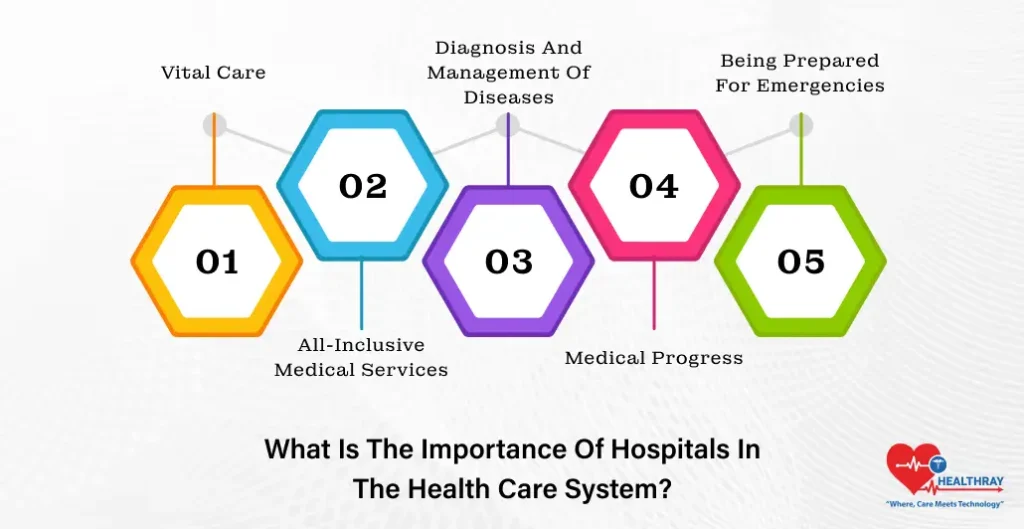
Hospital Services: What Do They Include?
Many people think hospitals are only for emergencies. Is that true? Not at all. Hospitals also provide regular check-ups, surgeries, maternity care, laboratory tests, and many other healthcare services for people of all ages.
Many people think hospitals are only for emergencies. Is that really true? Not at all.
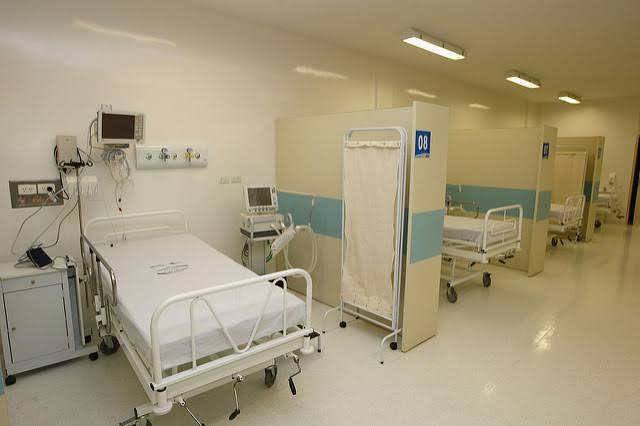
Modern hospitals offer a wide range of healthcare services. They provide outpatient consultations, emergency care, surgeries, maternity services, diagnostic imaging, laboratory testing, rehabilitation, physiotherapy, vaccination programs, and specialized treatments for different diseases.Hospital Services also educate patients about disease prevention and healthy living.
Because of modern medical technology, doctors can detect illnesses earlier than ever before. Early diagnosis often leads to faster treatment and better recovery.
The People Behind Every Hospital Services
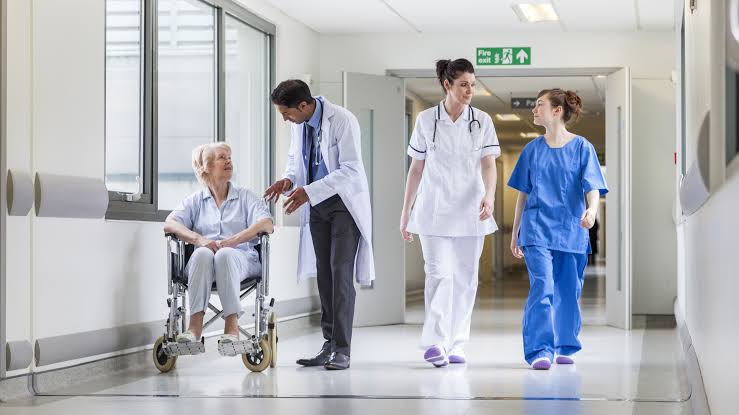
A hospital is not only about doctors. Nurses, pharmacists, technicians, cleaners, and many other staff members work together every day. Their teamwork helps patients receive safe and effective Hospital Services.
Nurses provide continuous patient care and emotional support. Pharmacists prepare and explain medications. Laboratory technicians analyze blood and other medical samples. Radiologists perform imaging tests like X-rays and MRI scans. Cleaners maintain hygiene to prevent infections, while reception staff help patients navigate appointments and medical records.
Every role is important, and teamwork ensures that patients receive the best possible care.
How Can Patients Help Themselves?
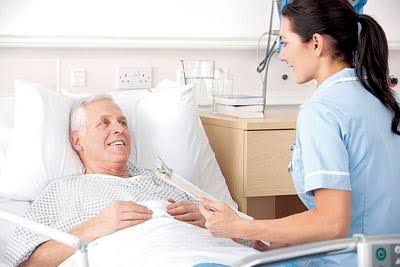
Patients also have a responsibility. Following the doctor’s advice, taking medicines on time, eating healthy food, and attending follow-up visits can improve recovery. Small habits often make a big difference.
Healthcare has advanced rapidly over the past few decades. Hospitals now use digital medical records, robotic-assisted surgeries, advanced MRI and CT scanners, ultrasound machines, and artificial intelligence to support diagnosis and treatment planning.
As technology continues to evolve, hospitals are becoming smarter, faster, and more efficient while still keeping patient care at the center of everything they do.
A Place of Hope
For many families, a hospital is more than just a building. It is a place where people find care, support, and hope during difficult times. With modern technology and dedicated healthcare workers, hospitals continue to improve the quality of life for millions of people.
Patients should also follow their doctor’s advice, complete prescribed medications, and attend follow-up appointments. Recovery is often a partnership between healthcare professionals and patients themselves.

Hospitals are one of the most important parts of every community. They provide medical care to people of all ages and help patients recover from illness and injuries. Whether it is a minor health issue or a life-threatening emergency, hospitals are always ready to provide professional care. They play a major role in improving public health and saving countless lives every single day.
Many people believe hospitals are only meant for emergencies, but that is only one part of their work. Hospitals offer general health check-ups, surgeries, maternity care, diagnostic testing, vaccinations, rehabilitation services, and specialized treatments. Modern hospitals are equipped with advanced medical technology that helps doctors
Healthcare is a shared responsibility between doctors and patients. Visiting a hospital when needed is important, but maintaining a healthy lifestyle is equally essential. Eating nutritious food, exercising regularly, getting enough sleep, drinking plenty of water, and following medical advice can help prevent many illnesses. Regular health check-ups also allow diseases to be detected early, making treatment more effective.
Medical technology has greatly improved healthcare over the years. Today, hospitals use advanced equipment such as MRI scanners, CT scanners, robotic surgery systems, and digital patient records. These technologies help doctors diagnose medical conditions more accurately and provide faster, safer, and more efficient treatment. Continuous innovation is making healthcare better for patients around the world.